With the growing pursuit of aesthetics, the popularization of the minimally invasive concept, and technological advancements, laparoscopic technology has gained widespread preference and become the dominant approach in gynecological surgeries. In many hospitals, it accounts for over 90% of all abdominal surgeries in the gynecological department. Particularly, the application of single-port laparoscopy has resulted in more concealed incisions, making people increasingly focused on the aesthetic appearance of the umbilicus.
However, accustomed to traditional open surgeries with large incisions, a significant number of gynecologists have not advanced their suture concepts correspondingly. While the internal surgical procedures may be technically excellent, the incision—acting as the "face" of the surgery—can be unsightly. In particular, some umbilical incisions even affect healing, increase patient suffering, and cast a shadow over the doctor's reputation.
Patients' pain points are the focus of doctors' attention and research. As a physician with over 20 years of clinical experience, I (Dr. Lü Lei; all subsequent references to "I," "myself," or "the author" refer to Dr. Lü Lei) venture to summarize the pitfalls and solutions encountered in umbilical suturing. Drawing on the experiences and lessons learned from my own practice, as well as those of my colleagues and peers in the medical community, this article aims to throw out a brick to attract jade—hoping to share these insights with colleagues.
I. Anatomy: The "Map" for Suturing – Clinical Significance of the Umbilical Cord's Four Layers
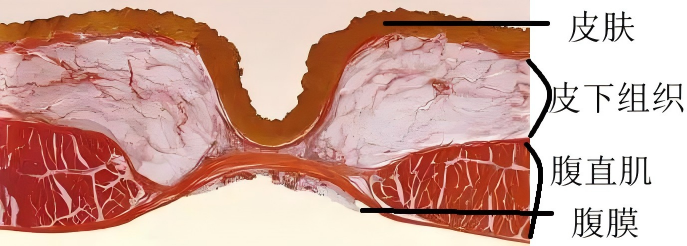
Figure 1
Figure 1: Umbilical AnatomySource: Gray's Anatomy for Students, 6th Edition
To suture the umbilicus effectively, it is essential to understand its anatomical structure and functions.
As shown in Figure 1, the umbilicus is a depressed area of the abdomen where many tissues are absent, making it the weakest part of the abdominal wall. From the inside out, it mainly consists of four layers: peritoneum, tendon sheath (deep fascia), subcutaneous tissue, and skin.
① Peritoneum: Parietal peritoneum closely adhering to the anterior sheath. In obese patients, a layer of fat fills the space between the peritoneum and the anterior sheath.
② Tendon Sheath: The anterior and posterior sheaths of the rectus abdominis fuse at the midline to form a tough layer, serving as the main supporting structure of the umbilicus. The rectus abdominis muscles are located on both sides and are usually unaffected by longitudinal umbilical incisions.
③ Subcutaneous Tissue: Also known as superficial fascia or Camper's fascia, it is rich in fat and blood supply, providing nutrients for healing. It is the main layer requiring approximation; poor healing of this layer is a major cause of incision complications, and it also provides support for skin approximation.
④ Skin: Tough and elastic, it adheres tightly to the subcutaneous tissue at the umbilicus with relatively poor blood supply. Good skin approximation can compensate for suboptimal subcutaneous suturing, but excessive tightness is unfavorable for exudate drainage.
II. Simplifying Complexity: Practical Details of the Two-Layer Suture Method
➱ Suturing Technique:
There are various suturing methods for umbilical incisions currently, such as the fascial purse-string suture by Professor Kim Tae Joong from Samsung Medical Center in South Korea and the "slope-making" method by Professor Zheng Ying from West China Second University Hospital. However, these methods are relatively complex and not easy to popularize. Here, only the suturing method adopted by myself (Dr. Lü Lei) is introduced, which uses basic techniques, is simple and practical.
Key Instruments and Materials:
In addition to needle holders, rat-tooth forceps, and hemostats, the following instruments are required:
- Suture Needle: A "fishhook needle" (i.e., 2-0 absorbable suture with a 1/2 circle needle). A too-small arc is not conducive to maneuvering in the narrow surgical field.
- Small Retractor: Usually a thyroid retractor (larger retractors cannot be inserted into the incision), used to retract the skin and subcutaneous tissue for anterior sheath suturing.
01 First Layer (Anterior Sheath + Peritoneum)
Generally, two layers of suturing are sufficient. Before suturing the first layer, use rat-tooth forceps to clamp the anterior sheath and peritoneum at the midpoint of both sides of the incision. For single-port laparoscopic surgery, this step can be performed before removing the wound protector: after loosening the outer ring, open the rat-tooth forceps against the membrane of the protector to clamp the tissues. The inner ring provides protection to avoid clamping the intestines or omentum.
Lift the rat-tooth forceps, use a hemostat to clamp the apex below the anterior sheath (the peritoneum can be clamped together). Retract the underlying skin and subcutaneous tissue with a small retractor to expose the anterior sheath. Suture the anterior sheath and peritoneum across the apex, tie a knot, then continue suturing upward continuously to the upper apex and tie another knot. Tightening the suture before knotting can shorten the incision. According to the experience of Professor Zhu Danyang from Taizhou, a pioneer in gasless single-port laparoscopy, if the incision is relatively long, an additional "figure-of-eight" suture can be performed after the initial suturing to shorten it.
After suturing, palpate the anterior sheath incision with a finger to check for defects or depressions. If present, add supplementary sutures (interrupted or figure-of-eight) at the corresponding site to prevent umbilical hernia.
02 Second Layer (Subcutaneous Tissue)
This layer is crucial for healing:
- Good Suturing: Results in neat skin approximation, a well-formed umbilical fossa (closely resembling the original appearance), minimal exudate, low infection risk, small scars, and good aesthetics.
- Poor Suturing: Leads to various complications.
For traditional laparoscopic incisions of 1cm, one suture is sufficient. If the incision still tends to dehisce after suturing, a maximum of one supplementary suture is needed.
Peach-Shaped Cosmetic Suturing Method: This method hides the suture knot at the deepest part of the incision to avoid suture reaction.
- Insert the needle from the bottom of the midpoint of the subcutaneous tissue on the surgeon's side and exit 2mm~3mm away from the skin surface.
- Reverse the needle direction, insert it 2mm~3mm away from the skin surface on the opposite side, and exit from the bottom of the incision (ensure the exit point is on the same side as the tail thread of the subcutaneous suture).
- Tie three knots with moderate tension, then pull the skin and subcutaneous tissue downward to form the umbilical fossa. For 1cm incisions, the gaps on both sides of the knot will align naturally with this traction, eliminating the need for additional sutures.
For single-port laparoscopic incisions or enlarged umbilical incisions for specimen retrieval, one suture is obviously insufficient. Perform one peach-shaped suture each at the upper and lower apices of the incision (if the umbilical ring is incised, its position is critical: the umbilical ring is the junction between the abdomen and the umbilical fossa, arc-shaped (not flat), and acts as a "support" for the incision). Add supplementary sutures if necessary, aiming to approximate both sides of the incision without skin tension. This technique was learned through communication with Director He Xiaobing from Tai'an Maternity and Child Health Hospital.
For convenient exposure, the clinical suturing sequence is: suture the two ends first (without tying knots temporarily), then the midpoint, and tie all knots together at the end.
03 Skin Layer
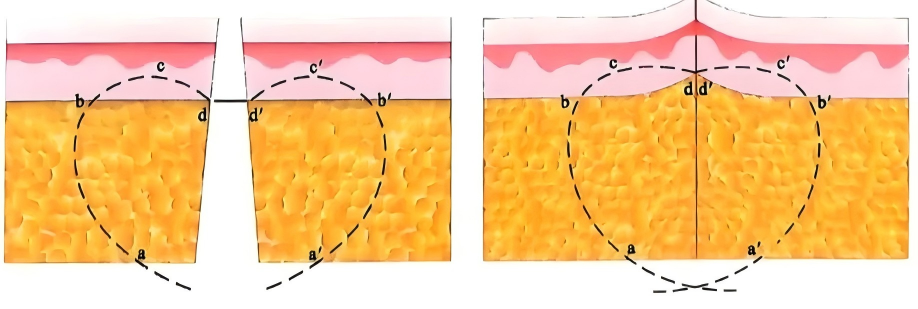
Figure 2
Figure 2: Peach-shaped suturing sequence: a-b-c-d, d’-c’-b’-a’; the tail threads of a and a’ are knotted togetherSource: WeChat Official Account of Huayin People's Hospital, "New Suturing Technique – 'Peach-Shaped Cosmetic Suturing'", April 7, 2025
If the skin is well-approximated after subcutaneous suturing with no exposed wound surfaces, skin suturing is unnecessary. Suturing the skin can impede the drainage of oozing blood, leading to subcutaneous accumulation and affecting healing. Professor Gong Yao from the First Affiliated Hospital of Chongqing Medical University mentioned this point; after trying it myself, I found it to be true and rarely perform skin suturing now.
However, if skin approximation is unsatisfactory (e.g., gaps, uneven height, or exposed wound surfaces) after subcutaneous suturing, skin suturing is required to compensate.
Similar to skin suturing in conventional open surgeries, we use intradermal suturing with 4-0 or 5-0 absorbable suture on a triangular needle. Start from one apex and end at the other, with knots buried deeply to avoid exposure. Intradermal suturing ensures neat approximation and better aesthetics, but overly dense sutures can hinder the drainage of subcutaneous hematoma, potentially causing slight exudate during dressing changes in the first few days (which usually resolves afterward).
04 Postoperative Observation
- Well-Approximated Incisions: Dry and clean during dressing changes, no exposed wound surfaces, minimal exudate, no odor, no pain. Patients are discharged as scheduled, reassuring both patients and doctors.
- Poorly Sutured Incisions: Exposed wound surfaces, exudate, odor, and pain due to local inflammatory stimulation. Patients are dissatisfied, and doctors face unnecessary distress.
05 Suturing Principle
"No exposed wound surfaces, no skin entrapment."
- Wound surfaces must be approximated to each other (exposed surfaces increase exudate and infection risk).
- Skin must remain exposed (skin is smooth and tough, cannot adhere to wound surfaces or promote healing).In short: "Bury what should be buried (wound surfaces) and expose what should be exposed (skin)."
III. "Pitfalls Encountered": Suturing Logic from Complications
What are the common mistakes in umbilical suturing, and what are their impacts?
See the following images and explanations ☟
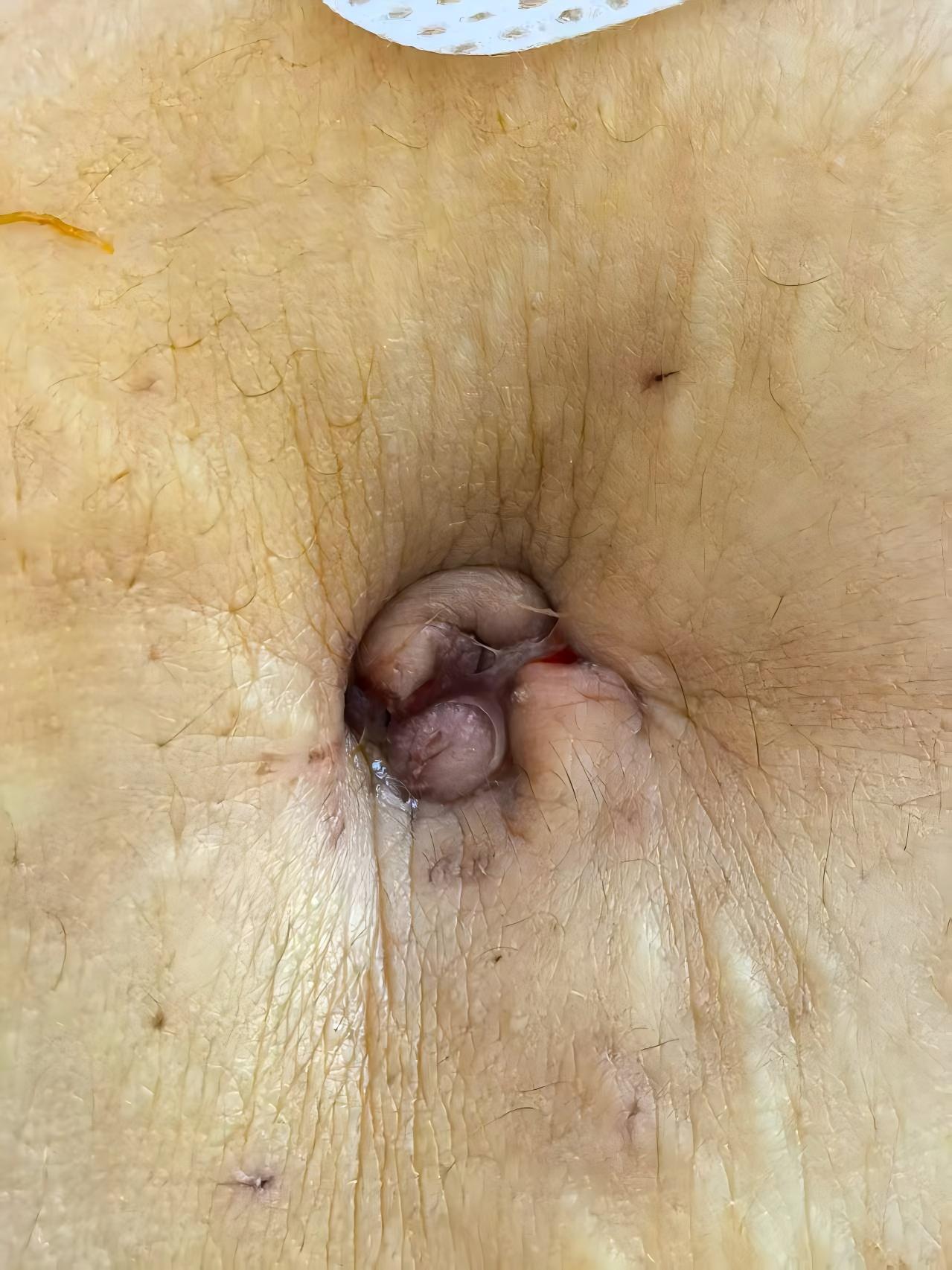
Figure 3: Unsutured umbilical ring with poor wound approximation and exposure, leading to excessive tightness at the base and a hemispherical protrusionSource: Dr. Lü Lei
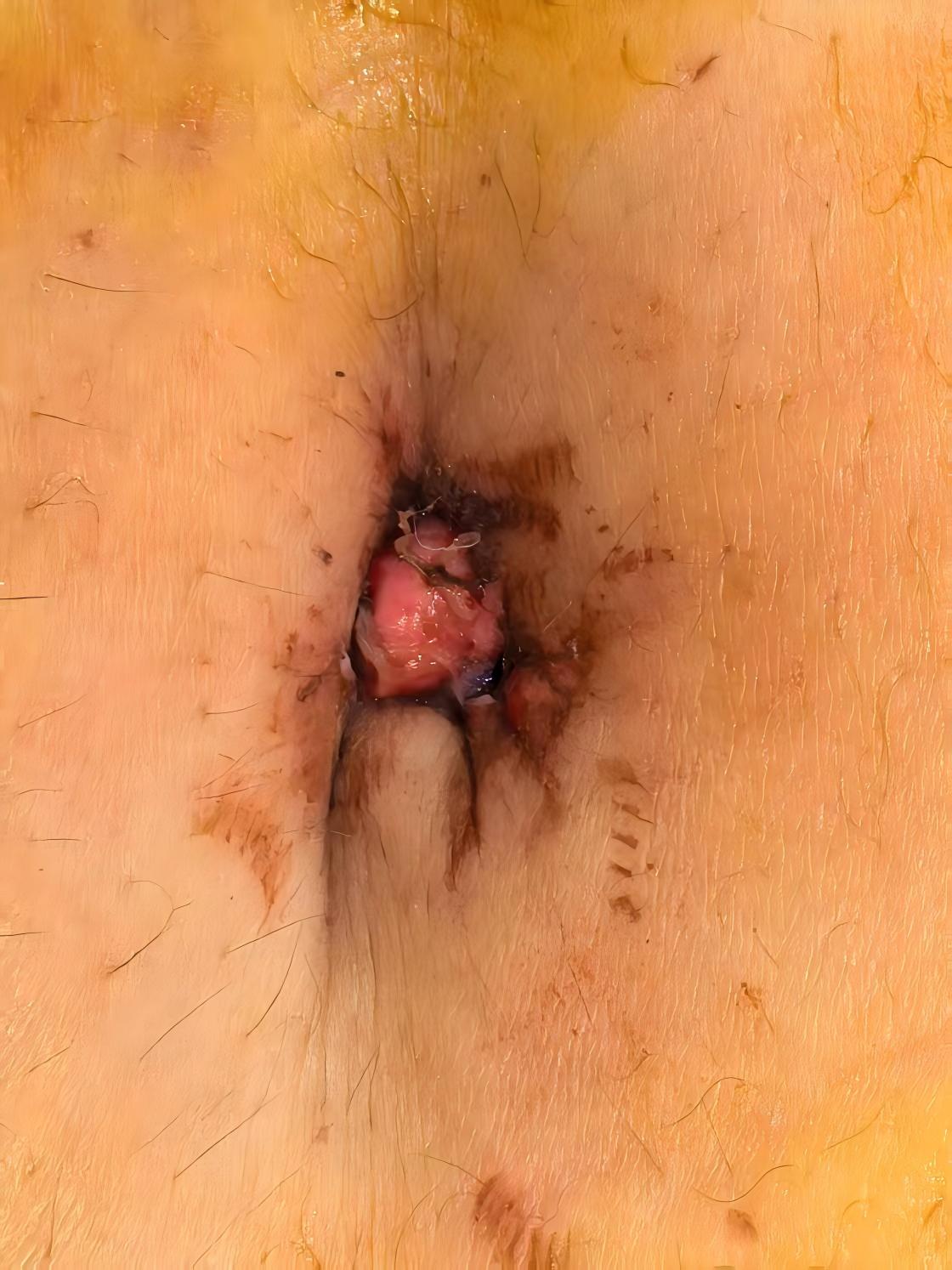
Figure 4: Poor approximation with shallow, exposed suture knotsSource: Dr. Lü Lei
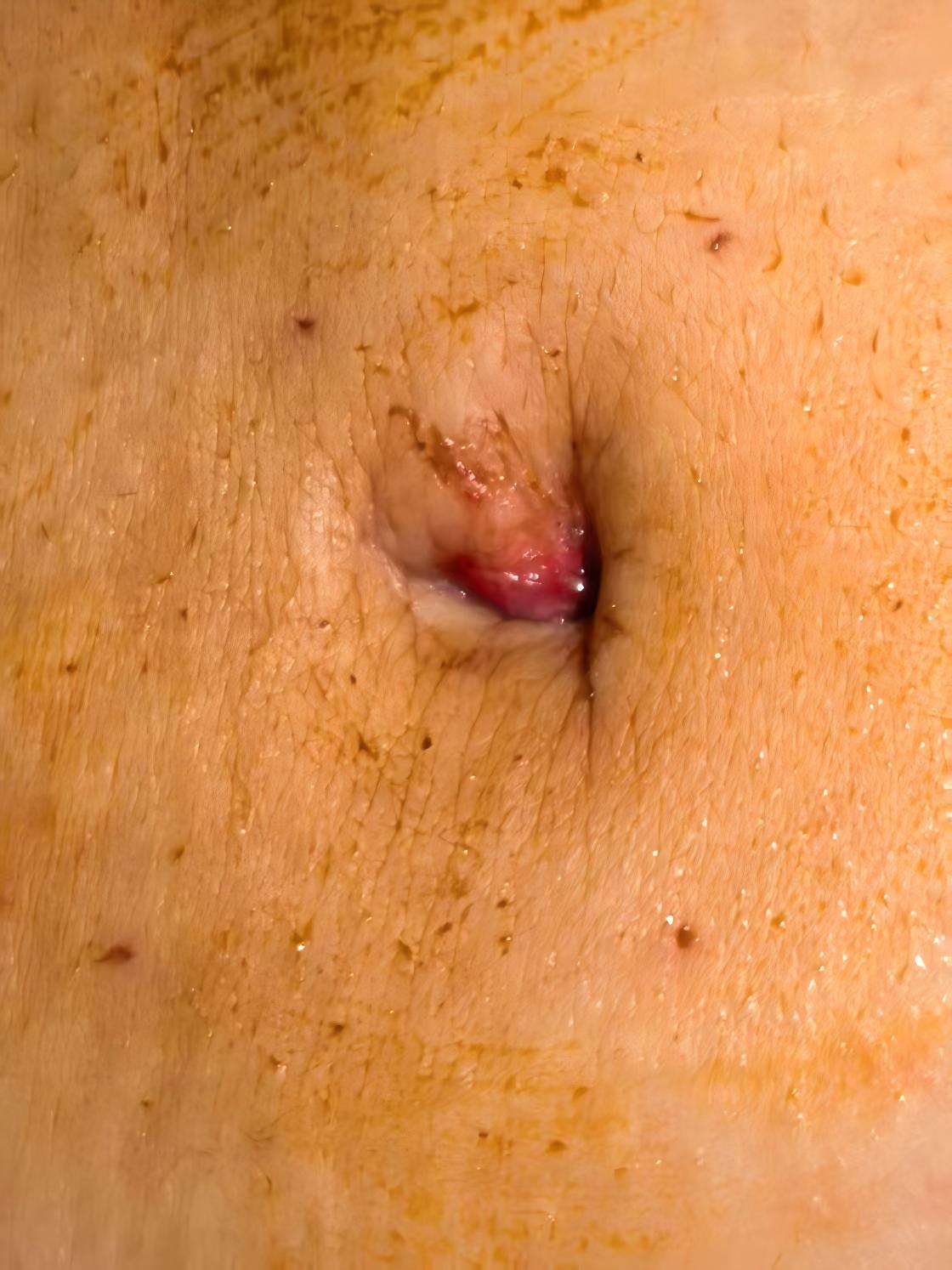
Figure 5: Uneven depth of approximation, poor subcutaneous tissue alignment, and exposed wound surfacesSource: Dr. Lü Lei
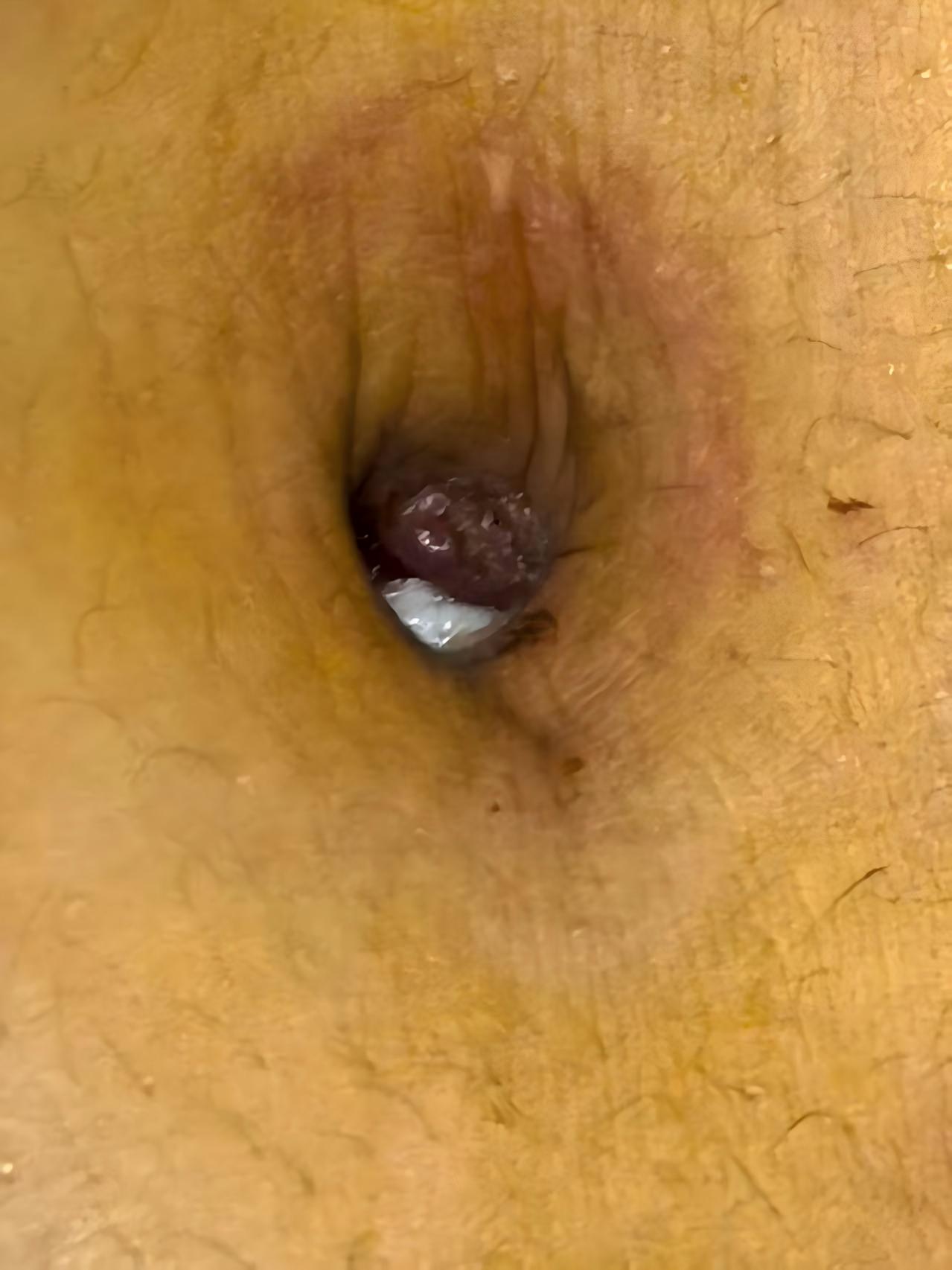
Figure 6: Insufficient tension in subcutaneous suturing leading to dehiscenceSource: Dr. Lü Lei
Common Mistakes
01 U-Shaped Suturing with Exposed Knots
U-shaped suturing is commonly used but can cause poor approximation and exposed knots if improperly performed.
- Vertical U-Shaped Suturing: Knots close to the skin are prone to exposure (see Figure 4), preventing incision closure and skin approximation. Suture reaction increases exudate and impairs healing. The peach-shaped suturing method is recommended instead.
- Horizontal U-Shaped Suturing: Requires inserting and exiting the needle from subcutaneous tissue on both sides, with a large span that makes alignment difficult. After knotting, there is no inward traction on the wound edges, leading to tissue bulging on the side with wider stitch spacing. Particularly, if the horizontal U-shaped suture is placed too low, tightening the lower part will squeeze the upper subcutaneous tissue outward, forming a hemispherical protrusion in the umbilical fossa (seriously affecting aesthetics; see Figure 3).
02 Improper Stitch Spacing
- Too Dense: Impairs blood supply and healing (not recommended).
- Too Sparse: Fails to suture necessary tissues, leading to exposed wound surfaces (even more undesirable). For example, Figure 3 shows an umbilical ring apex with one missing suture, causing wound eversion. The suture on the lateral side of the umbilicus, when tightened, creates an unwanted depression.
03 Suturing Excessive Tissue
During anterior sheath suturing, if the needle entry/exit points are too far from the edge (excessively wide suturing), excessive subcutaneous tissue is incorporated. This narrows the remaining incision gap, preventing the subcutaneous tissue and skin from returning to their original positions and resulting in an outward hemispherical protrusion.
04 Subcutaneous Dehiscence
Even with proper anterior sheath suturing, insufficient subcutaneous suturing can lead to incision dehiscence and increased exudate. The patient in Figure 6 underwent traditional multi-port laparoscopy; after incision dehiscence, the white anterior sheath was exposed (explored with hemostats and confirmed not to be white pus).
Prevention and Management of Incision Healing Complications
"No one is born a hero; the ease you see comes from overcoming countless hardships." The same applies to umbilical incision suturing. Through repeated practice, observation, and reflection on unsatisfactory sutures, we can learn lessons and improve. This has little to do with the number of surgeries—without reflection and improvement, more surgeries only mean repeating mistakes.
Prevention
Prevention is the best treatment:
- Conduct a comprehensive preoperative assessment of the incision, including subcutaneous tissue thickness and the boundary between normal skin and the incision (critical, as skin near the incision may be damaged by clamping/traction and difficult to distinguish from the wound surface).
- Plan the suturing site and predict tissue changes under tension.
- Remedy problems promptly during suturing (e.g., remove inappropriate sutures if needed).
- Apply appropriate postoperative compression to the incision, perform timely dressing changes, select suitable dressings, and address issues promptly—all of which can prevent umbilical incision healing complications.
Problem Management
01 Intraoperative Dissatisfaction with Suturing
If suturing is unsatisfactory (e.g., poor approximation) during surgery, remove and re-suture promptly. Spending a little extra time can avoid more than ten days of patient suffering and doctor frustration—it is worthwhile.
02 Exposed Wound Surfaces and Incision Exudate
- Use microwave irradiation to improve blood circulation.
- Apply moistened cotton balls with Kangfuxin Liquid for external compression to reduce edema, promote wound contraction, and encourage epithelialization to cover the wound.
- After discharge, apply mupirocin ointment topically to prevent infection.
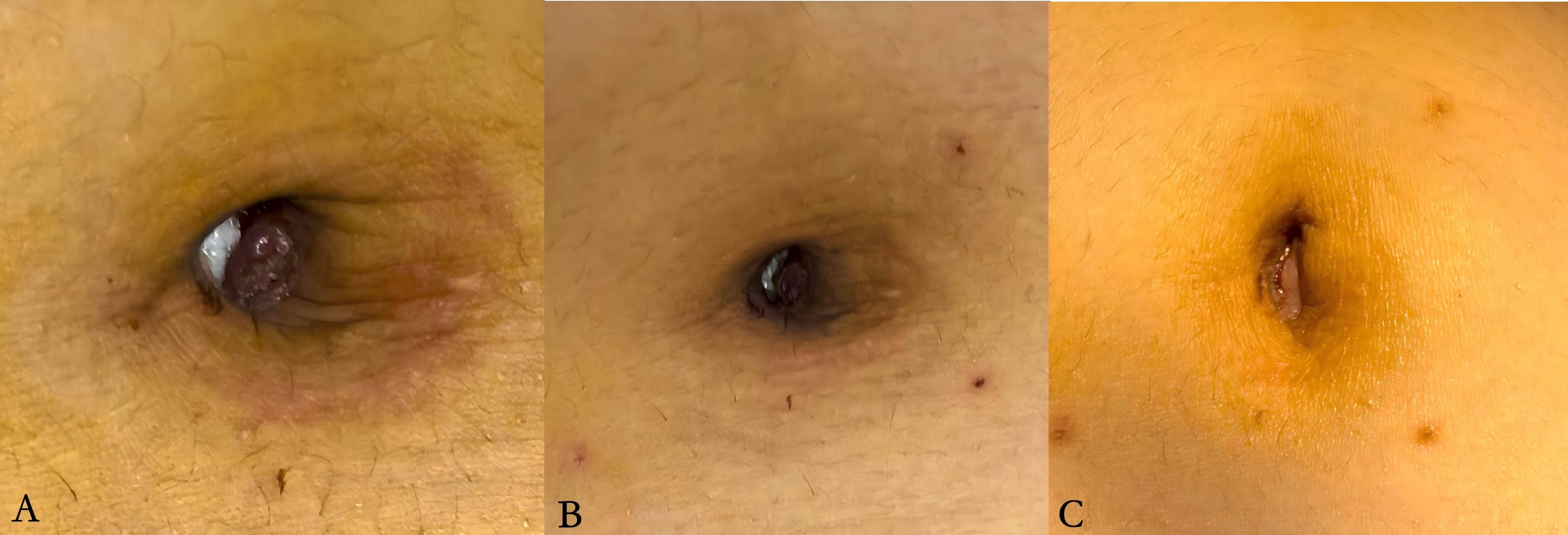
Figure 7: A: Pre-treatment – incision dehiscence with exposed fascia; B: 1 day after Kangfuxin Liquid wet compress – edema reduced, wound contracted and narrowed; C: 5 days after mupirocin ointment application – wound basically closed.Source: Dr. Lü Lei
03 Hemispherical Protrusion of the Wound Surface
Manage as above. Tissues have the ability to regenerate and reshape. As long as there is no infection, the protrusion will mostly shrink and flatten within a few months (approaching the normal shape) as the suture knots are absorbed and scars soften. If no improvement occurs, secondary umbilical plastic surgery may be considered.
IV. Medical Temperature: Reflections Behind Suturing
Every suture we make in our hands is a solemn commitment to the patient's health, carrying their expectations for a better future. While focusing on the needle and thread, we must also see the patient's desire for beauty. Umbilical suturing is not only a technique but also a way to convey care. Behind the smooth and flawless scar lies the patient's smile of restored confidence and the silent trust between doctors and patients. It is hoped that colleagues will share more experiences in clinical practice, make progress together, and let every surgery become a warm practice of safeguarding life.
References
[1] Ma WY. Topographic Anatomy and Dissection Methods. Peking University Health Science Center & Peking Union Medical College Press; 1998:208-212.
Author Information

Dr. Lü Lei
Master of Medicine, Member of the Vaginal Surgery Group of the Minimally Invasive Surgery Branch of China Maternal and Child Health Association, Member of the Vaginal Surgery Group of the Pelvic Floor Rehabilitation Professional Committee of Zhejiang Rehabilitation Medical Association.
He has published numerous papers in core journals, including two SCI-indexed articles. Through multiple platforms such as his personal WeChat Official Account ("Dr. Lü Lei"), Xiaohongshu account ("Hangzhou Gynecology Dr. Lü Lei"), Zhihu, and blogs on Chinese obstetrics and gynecology websites, he carries out continuing education for young doctors and has written hundreds of thousands of words of popular science articles.
Clinically, he specializes in hysteroscopy, transvaginal surgery for non-prolapsed uterus, transumbilical and transvaginal single-port laparoscopic surgery, and has rich clinical experience in various common and complex gynecological diseases. He advocates mastering a variety of minimally invasive surgical methods and selecting the most appropriate treatment based on the patient's condition, attracting hundreds of patients from more than 20 provinces, autonomous regions, and municipalities directly under the Central Government for consultation and surgery.
Editor-in-Charge: Lily