

Postpartum hemorrhage (PPH), a highly challenging acute condition in obstetric clinical practice, has always been one of the leading causes of maternal mortality. The scientificity and timeliness of its diagnosis and treatment decisions are directly related to the bottom line of maternal and infant safety and the quality of obstetric medical services. To this end, Obstetrics and Gynecology Network specially invites Professor Kong Lin from Guangxi Zhuang Autonomous Region Maternal and Child Health Hospital to share practical decision-making ideas based on her clinical experience, focusing on core issues such as early warning of postpartum hemorrhage, coordinated medical and surgical intervention, and individualized management of high-risk groups. This sharing aims to provide reference for obstetric medical staff, help improve the accuracy and effectiveness of treatment, and ensure maternal and infant safety.
Obstetrics and Gynecology Network:
Early identification and intervention of postpartum hemorrhage are crucial. What do you think are the current difficulties in the clinical prediction and early warning of postpartum hemorrhage?
Professor Kong Lin:
Postpartum hemorrhage is the most common cause of maternal death, and early identification and warning are vital to reducing its incidence and adverse outcomes. Early identification mainly involves two core links:
Identification of antenatal high-risk factors: Accurately determining whether pregnant women have high-risk factors for postpartum hemorrhage before delivery.
Assessment of postpartum blood loss: Accurately evaluating the actual blood loss in the early stage of hemorrhage to provide a basis for intervention.
☞ However, the following difficulties exist in clinical practice:
Insufficient attention to high-risk factors: Some doctors or midwives fail to fully identify or pay enough attention to antenatal high-risk factors, increasing potential risks.
Deviation in blood loss assessment: Clinical assessment of blood loss often relies on subjective judgment, which differs greatly from the actual blood loss. Postpartum hemorrhage is often only detected when the mother develops severe symptoms such as hypotension and shock, at which point the difficulty and risk of intervention have increased significantly.
☞ To address these difficulties, prediction and early warning tools can be used to optimize clinical practice:
Traditional scoring scales: Simple to operate, suitable for screening high-risk factors in primary medical institutions.
AI-assisted early warning systems: Effectively improve the efficiency of postpartum hemorrhage prediction and early warning, but require electronic system support, making them more suitable for tertiary medical institutions or rescue centers.
Obstetrics and Gynecology Network:
Amniotic fluid embolism (AFE) is often accompanied by coagulation disorders and even disseminated intravascular coagulation (DIC). In such complex cases, when using carboprost tromethamine to control uterine contractions, how do you balance the need for uterine contraction and coagulation management in practical operations? What are the key considerations?
Professor Kong Lin:
Although the incidence of amniotic fluid embolism is low, there is a lack of accurate prediction methods in clinical practice, and once it occurs, it often leads to serious consequences. Its main causes of death include severe respiratory and circulatory failure and severe postpartum hemorrhage complicated by coagulation disorders. It is a multisymptom syndrome, and the etiology of postpartum hemorrhage is complex, not simply caused by uterine atony.
☞ In the management of postpartum hemorrhage complicated by amniotic fluid embolism, the use of uterotonic agents should follow the following principles:
Premise of use: Amniotic fluid embolism is not a contraindication to the use of uterotonic agents. When a mother is clearly diagnosed with amniotic fluid embolism combined with coagulation disorders (DIC), severe coagulation abnormalities should be corrected first (e.g., transfusion of fresh frozen plasma and platelets), followed by the standardized use of uterotonic agents, including oxytocin and carboprost tromethamine.
Drug characteristics: As a potent uterotonic agent, carboprost tromethamine takes effect quickly (within 2-3 minutes) and has a good hemostatic effect. It is suitable for postpartum hemorrhage caused by uterine atony that cannot be resolved by conventional methods.
Key considerations:
Comprehensive evaluation of the mother's clinical symptoms to clarify whether postpartum hemorrhage is caused by uterine atony.
Adoption of comprehensive treatment measures: In addition to uterotonic agents, conservative hemostatic surgery, hysterectomy (when necessary), and supplementation of coagulation factors should be combined to target the etiology of hemorrhage.
In summary, for severe postpartum hemorrhage complicated by amniotic fluid embolism, the core is to first comprehensively assess the cause of hemorrhage, then select targeted treatment options including uterotonic agents based on the etiology, and achieve a balance between the need for uterine contraction and coagulation management.
Summary
Postpartum hemorrhage is the leading cause of maternal death. The increase in high-risk pregnant and parturient women has rendered single treatment inadequate. Experts point out that the promotion in primary medical institutions faces challenges such as insufficient hardware, limited professional skills of personnel, and inadequate blood supply, emphasizing the need to strengthen high-risk factor identification and other measures. Medication should be classified into preventive and therapeutic categories, with dosage adjustments required for special populations. Additionally, the principles of hemostasis in scarred uterus, difficulties in early identification of hemorrhage, and medication and coagulation management in amniotic fluid embolism are discussed, providing valuable references for obstetric medical staff.
Expert Introduction
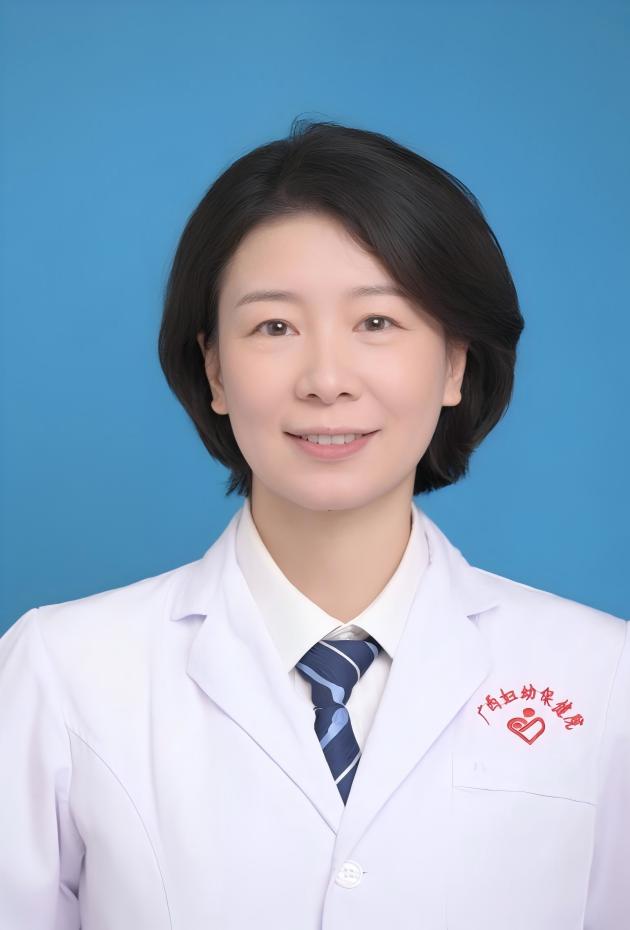
Professor Kong Lin
Guangxi Zhuang Autonomous Region Maternal and Child Health Hospital
Chief Physician, Master's Supervisor
Current Director of Obstetrics and Director of the Delivery Room (Xiangzhu Campus) at Guangxi Zhuang Autonomous Region Maternal and Child Health Hospital
❖ Member of the Maternal-Fetal Medicine Branch of the Chinese Medical Women's Association
❖ Member of the Midwifery Professional Committee of the Chinese Maternal and Child Health Research Association
❖ Member of the Early Life Development and Disease Prevention and Control Professional Committee of the Chinese Preventive Medicine Association
❖ Chairman of the Maternal-Fetal Medicine Branch of the Guangxi Medical Association
❖ Vice Chairman of the Perinatal Medicine Branch and Obstetrics and Gynecology Branch of the Guangxi Medical Association
❖ Standing Committee Member of the Perinatal Medicine Branch of the Guangxi Medical Doctors Association
Specializes in: Health care and management of high-risk pregnancies, diagnosis and treatment of fetal medicine-related diseases, treatment of critical and acute obstetric conditions, management of various dystocias, and handling of complex and difficult cesarean sections.
Editor-in-Charge:Lily

