














Uterine rupture is a catastrophic event in obstetrics, posing a severe threat to the life and health of both mothers and fetuses. When uterine rupture occurs, puerperae often present with severe internal hemorrhage and hemorrhagic shock; some require hysterectomy to control bleeding, and in severe cases, multiple organ failure and even maternal death may ensue. For fetuses, acute fetal distress, stillbirth, neonatal asphyxia, and even neonatal death can occur [1,2].
Uterine rupture mostly occurs in vaginal trial labor among patients with scarred uterus. Patients usually exhibit sudden persistent abdominal pain, abnormal fetal heart rate, vaginal bleeding, hematuria, shock and other symptoms, which easily attract the attention of medical staff and prompt active management. However, "silent" uterine rupture without a typical history of uterine surgery and/or typical clinical symptoms is even more dangerous and requires high vigilance from clinicians.
Diagnosis and Treatment Process of Non-scarred Uterine Rupture
Case Presentation
A 32-year-old pregnant woman, Chen ××, was admitted to the hospital at 04:40 on May 24, 2025, due to "39⁺⁶ weeks of gestation with abdominal pain for 40 minutes".
Her last menstrual period was August 18, 2024, with an expected date of delivery of May 25, 2025. She received regular and standardized prenatal examinations in our hospital during pregnancy, and no abnormalities were found. She had a history of one full-term vaginal delivery with a newborn birth weight of 3.1 kg. Her pregnancy risk was classified as Green in the five-color management system.
Admission Physical Examination
Temperature: 36.8℃, Pulse: 80 beats/min, Respiratory rate: 20 breaths/min, Blood pressure: 110/72 mmHg, Height: 150 cm, Weight: 52 kg. The general condition was good; no abnormalities were detected in cardiopulmonary auscultation. Abdominal distension was noted, and no edema was observed in both lower extremities.
Obstetric examination findings: Regular uterine contractions (35 seconds/4 minutes), uterine height: 36 cm, abdominal circumference: 97 cm, fetal position: left occipitotransverse (LOT), fetal head engaged, fetal heart rate: 130 beats/min. External pelvic measurement: 24 cm - 26 cm - 18.5 cm - 8.5 cm. Vaginal examination: cervical canal completely effaced, midposition cervix, soft consistency, cervical dilation of 2 cm, vertex presentation, station S-3, membranes intact, Bishop score: 7 points.
Auxiliary Examination
Ultrasound examination in our hospital on May 13, 2025, indicated: intrauterine pregnancy, single live fetus, vertex presentation, grade Ⅱ placenta, one loop of umbilical cord around the fetal neck, and normal umbilical blood flow parameters.
Preliminary Diagnosis
G3P1, intrauterine pregnancy at 39⁺⁶ weeks
Left occipitotransverse position
Labor onset
Upon admission, bedside ultrasound was performed immediately, showing: full-term intrauterine pregnancy, single live fetus, vertex presentation, grade 2 placenta, biparietal diameter (BPD): 95 mm, head circumference (HC): 337 mm, abdominal circumference (AC): 340 mm, femur length (FL): 71 mm, maximum amniotic fluid pool depth: about 63 mm, amniotic fluid index (AFI): 156 mm. The placenta was located on the anterior uterine wall, and umbilical cord echoes were visible beside the fetal right ear, with possible occult umbilical cord prolapse suspected. The estimated fetal weight was approximately 3400 g. The condition was explained to the pregnant woman and her family; she was considered eligible for vaginal trial labor, and vaginal delivery was recommended.
Labor and Cesarean Section Process
Labor analgesia was administered at 06:30. Continuous electrocardiographic monitoring was performed due to suspected umbilical cord prolapse.
Spontaneous rupture of membranes occurred at 09:35, with clear amniotic fluid (grade Ⅰ), and normal fetal heart rate. Vaginal examination revealed cervical dilation of 8 cm, station S-2, and no umbilical cord tissue palpable.
At 11:00, the patient complained of a feeling of defecation, with a fetal heart rate of 146 beats/min. Vaginal examination showed cervical dilation of 9 cm, fetal head still at station S-2, no umbilical cord palpable, and grade Ⅰ amniotic fluid.
At 11:21, fetal heart rate monitoring indicated prolonged deceleration, with the fetal heart rate dropping to as low as 50 beats/min. Vaginal examination was performed immediately to rule out umbilical cord prolapse. Intrauterine resuscitation measures including left lateral position, oxygen inhalation, and intravenous infusion of lactated Ringer's solution were implemented, but the symptoms showed no improvement. Acute fetal distress caused by occult umbilical cord prolapse could not be ruled out. Given that vaginal delivery was not feasible in a short period, the condition was communicated to the patient and her family, and emergency cesarean section under general anesthesia was immediately performed through the green channel.
After successful anesthesia, laparotomy was performed layer by layer to the peritoneal layer, revealing cyanopurple peritoneum. Upon opening the peritoneum, fresh blood mixed with blood clots gushed out, approximately 1000 ml in volume. After aspirating the blood, a full-thickness rupture was found in the lower anterior uterine segment, with amniotic sac protruding. The amniotic sac was ruptured, and bloody amniotic fluid was observed.
A full-term live male infant was delivered at 11:40, with a birth weight of 3500 g and no umbilical cord around the neck. Apgar scores were 6 - 8 - 10 at 1, 5, and 10 minutes respectively. The rupture in the lower anterior uterine segment was transverse, approximately 6 cm in length, with the two ends extending downward: 4 cm on the left side and 3 cm on the right side. A tense hematoma, about 8 cm × 5 cm in size, was present in the broad ligament outside the left round ligament; another hematoma, approximately 5 cm × 3 cm, was formed in the lower posterior left uterine segment. The uterine rupture was sutured, ligation of the ascending branches of the bilateral uterine arteries was performed, and the two hematomas were cleared. Oxytocin and carboprost tromethamine were administered to promote uterine contraction. Methylene blue solution bladder irrigation test showed no bladder rupture. After confirming that the uterus, bilateral adnexa had no abnormal appearance and no active bleeding at the surgical site, the abdomen was closed layer by layer. The vital signs remained stable during the operation, with a total blood loss of approximately 1500 ml and urine output of 155 ml. The blood pressure was 97/43 mmHg and heart rate was 102 beats/min after surgery. Two units of type A suspended red blood cells were transfused intraoperatively, and the transfusion process was smooth. An abdominal drainage tube was placed behind the uterus after surgery. The preoperative hemoglobin level was 109 g/L, and the postoperative reexamination showed a hemoglobin level of 73 g/L.
Postoperative Diagnosis
Uterine rupture
Acute fetal distress
Postpartum hemorrhage
Hematoma of the left uterine broad ligament
Hematoma of the lower posterior left uterine segment
Moderate anemia
Mild neonatal asphyxia
Single live birth; G3P2, intrauterine pregnancy at 39⁺⁶ weeks; left occipitotransverse position; cesarean section
The patient had minimal vaginal bleeding after surgery, with good wound healing, and was discharged 5 days postoperatively. The newborn was transferred to the neonatal intensive care unit (NICU) immediately after birth and was successfully discharged after 8 days of supportive and symptomatic treatment.
Extended Discussion
Clinically, the incidence of uterine rupture in scarred uterus is 0.79%, while that in non-scarred uterus is only 0.05% [3]. Among all cases of uterine rupture, 92.7% occur in scarred uterus, and only 7.3% in non-scarred uterus [4]. Although non-scarred uterine rupture is rarer, once it occurs, the condition may be more severe than that of scarred uterine rupture. This is because uterine rupture in scarred uterus attracts more attention, and active management can be initiated promptly once any abnormalities arise. In contrast, due to the low incidence of uterine rupture in non-scarred uterus, it is difficult to immediately recognize the condition when problems occur. Therefore, the diagnosis of non-scarred uterine rupture is often delayed, leading to delayed treatment and more serious consequences [5].
High-risk factors for non-scarred uterine rupture include: obstructed labor, advanced or young maternal age, uterine malformation, overweight or obesity, complicated pregnancy complications (hypertensive disorders or diabetes mellitus), low educational level, multiple induced abortions, adenomyosis, placenta accreta, placental abruption, placenta previa, abnormal fetal position, multiple pregnancy, improper use of uterine stimulants (especially prostaglandins), internal version, breech delivery, even salpingectomy, and cervical cerclage [1,3,6,7], etc. The present case had no identifiable high-risk factors. Except for the delayed descent of the fetal presenting part (fetal head remained at station S-2 when the cervix was 9 cm dilated), the possible cause of uterine rupture was cephalopelvic disproportion due to the relatively large fetus (3500 g) and the small stature of the patient (150 cm), which might have led to obstructed labor and ultimately uterine rupture.
Typical symptoms such as abdominal pain and vaginal bleeding often occur when uterine rupture happens [2]. However, in this case, the patient did not experience any abdominal pain, which might be attributed to the satisfactory effect of labor analgesia. Studies have shown that patients with uterine rupture without abdominal pain have more postpartum hemorrhage and higher incidences of neonatal asphyxia and hypoxic-ischemic encephalopathy compared with those with abdominal pain [8]. This is also due to the delayed diagnosis and treatment caused by atypical symptoms. No vaginal bleeding was observed in this case because the fetal membranes at the uterine rupture site remained intact, resulting in the bleeding from the rupture flowing directly into the abdominal cavity. The only abnormal sign in this case was the sudden occurrence of prolonged fetal heart rate deceleration during continuous fetal heart rate monitoring. Due to the suspected occult umbilical cord prolapse, acute fetal distress caused by occult umbilical cord prolapse was initially considered, and uterine rupture was not immediately suspected. Therefore, intrauterine resuscitation was the preferred treatment. As intrauterine resuscitation showed poor efficacy, emergency cesarean section was promptly performed to terminate the pregnancy. Thanks to the timely surgery (only 15 minutes from the decision of surgery to fetal delivery) and the joint efforts of the multidisciplinary team (obstetrics, anesthesiology, transfusion medicine, neonatology), both the mother and the fetus achieved a relatively satisfactory prognosis. The newborn only suffered from mild asphyxia and was successfully resuscitated; the mother also underwent prompt surgical hemostasis and retained her uterus.
Non-scarred uterine rupture after vaginal delivery is even more difficult to identify and manage in a timely manner. It is possible that before uterine rupture is detected, the patient has already developed catastrophic postpartum hemorrhage, hemorrhagic shock, and even cardiac arrest. In cases of such severe postpartum hemorrhage that cannot be controlled by conventional conservative treatments including uterine contraction promotion, antifibrinolytic therapy, uterine packing, and internal iliac artery or uterine artery interventional embolization, laparotomy is eventually performed, and only then is uterine rupture diagnosed. At this point, the patient's condition is often critical, and hysterectomy is frequently required to save the patient's life [9].
In conclusion, uterine rupture is an obstetric emergency. Although most cases are associated with uterine scarring, non-scarred uterine rupture also requires heightened vigilance, especially the "silent" type of non-scarred uterine rupture, which is difficult to identify rapidly. Delayed diagnosis and treatment can lead to severe consequences. Although "silent" uterine rupture presents with atypical clinical symptoms [1], fetal distress generally occurs [4]. Therefore, close monitoring of the fetal heart rate during labor is essential. Once acute fetal distress occurs, emergency cesarean section should be actively prepared to terminate pregnancy while performing intrauterine resuscitation, regardless of whether uterine rupture is suspected, since acute fetal distress itself is an indication for immediate termination of pregnancy. For refractory severe postpartum hemorrhage unresponsive to routine conservative treatments, the possibility of uterine rupture should be promptly considered, and early laparotomy is recommended for surgical hemostasis!
References
[1] Xie J, Lu X, Liu M. Clinical analysis of complete uterine rupture during pregnancy. BMC Pregnancy Childbirth. 2024. 24(1): 255.
[2] Wen B, Ding G, Xiao C, Chen Y, Kong F. Analysis of the uterine rupture during pregnancy and delivery in a provincial maternal and children care hospital in China: 2013-2022. BMC Pregnancy Childbirth. 2025. 25(1): 274.
[3] Zhan W, Zhu J, Hua X, Ye J, Chen Q, Zhang J. Epidemiology of uterine rupture among pregnant women in China and development of a risk prediction model: analysis of data from a multicentre, cross-sectional study. BMJ Open. 2021. 11(11): e054540.
[4] Wan S, Yang M, Pei J, et al. Pregnancy outcomes and associated factors for uterine rupture: an 8 years population-based retrospective study. BMC Pregnancy Childbirth. 2022. 22(1): 91.
[5] Xu H, Wang G, Li Q, Zhang L, Zhang Y, Wu Y. Clinical Features, Management and Maternal-Infant Prognosis in Patients with Complete Uterine Rupture in the Second and Third Trimester of Pregnancy. Altern Ther Health Med. 2022. 28(6): 82-87.
[6] Hochler H, Wainstock T, Lipschuetz M, et al. Grandmultiparity, maternal age, and the risk for uterine rupture-A multicenter cohort study. Acta Obstet Gynecol Scand. 2020. 99(2): 267-273.
[7] Vimercati A, Dellino M, Suma C, et al. Spontaneous Uterine Rupture and Adenomyosis, a Rare but Possible Correlation: Case Report and Literature Review. Diagnostics (Basel). 2022. 12(7): 1574.
[8] 刘喆, 杨慧霞, 辛虹, 崔世红, 漆洪波, 张卫社. 全国多中心子宫破裂现状调查及结局分析. 中华妇产科杂志. 2019. 54(06): 363-368.
[9] Liao YC, Tsang LL, Yang TH, et al. Unscarred uterine rupture with catastrophic hemorrhage immediately after vaginal delivery: diagnosis and management of six consecutive cases. J Matern Fetal Neonatal Med. 2023. 36(2): 2243366.
Author Introduction
Professor Hu Dongmei

Professor Hu Dongmei is Associate Director of the Department of Obstetrics, Maternal and Child Health Center, Zhujiang Hospital; Chief Physician; Doctor of Medicine.
She holds the positions of Vice Chairman of the Perinatal Medicine Branch of Guangdong Medical Education Association; Standing Member of the Maternal-Fetal Medicine Physician Branch of Guangdong Medical Doctor Association; Member of the Maternal and Child Health Branch of Guangdong Medical Association, Guangdong Maternal and Child Health Association, Gynecology and Obstetrics Branch of Guangdong Health Economics Association, and Maternal-Fetal Infectious Diseases Professional Group of Maternal-Fetal Medicine Physician Branch of Guangdong Medical Doctor Association. She also serves as an expert for medical accident appraisal at Southern Medical University Forensic Identification Center; an evaluation expert of Guangdong Provincial Drug Administration; an expert of the Perinatal Health Care Group of Guangzhou Women and Children's Medical Care Center; Standing Committee Member of the Women and Children's Health Work Committee of Haizhu District, Guangzhou; and Deputy Director of the Women's Health Expert Committee.
She has been honored with titles including "The Most Beautiful Obstetrician in Guangdong Province", "Lingnan Famous Doctor", "Yangcheng Good Doctor", and "Popular Science Good Doctor".
With more than 20 years of experience in clinical practice, teaching, and scientific research in obstetrics and gynecology, she is proficient in the diagnosis and treatment standards of various common and frequently-occurring diseases in obstetrics and gynecology. In the past 10 years, she has been mainly engaged in clinical work in the field of perinatal medicine, specializing in the management of high-risk pregnancy and the treatment of critically ill pregnant and lying-in women. She is skilled in performing various obstetric surgeries and operations, and has rich experience in prenatal screening and diagnosis, genetic counseling, management of abnormal labor, recurrent miscarriage, cervical incompetence, as well as the prevention, diagnosis and treatment of various pregnancy complications and comorbidities.
Professor Wu Guan
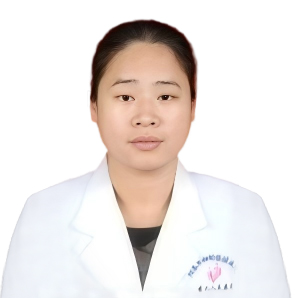
Professor Wu Guan is Associate Director of the Department of Obstetrics, Yangchun Maternal and Child Health Hospital; Associate Chief Physician.
She is a Member of the Yangjiang Branch of Guangdong Obstetrics and Gynecology Society and a Member of the Yangjiang Branch of Guangdong Diabetes Association.
She has been awarded the title of "The Most Beautiful Obstetrician in Guangdong Province".
With more than 20 years of clinical experience in obstetrics, she has always adhered to the patient-centered diagnosis and treatment philosophy. She has a solid theoretical foundation in obstetrics and gynecology and rich clinical experience in obstetrics, and is proficient in various obstetric surgical operations and emergency and critical illness treatment techniques. Her professional expertise includes standardized management of high-risk pregnancy such as gestational hypertension, diabetes mellitus, autoimmune diseases, multiple pregnancy, management of dystocia, obstetric surgeries including cervical cerclage, external cephalic version for breech presentation, forceps/vacuum-assisted delivery, and complex cesarean section.
Disclaimer: This article is provided as a clinical case reference for medical and healthcare professionals only and does not constitute any diagnosis and treatment advice or guidelines. The patient's personal information has been anonymized in the content. Non-medical and healthcare professionals are not allowed to refer to or disseminate the content of this article. The platform shall not be liable for any consequences arising from the use of this content by non-professionals.
Editor-in-Charge:Lily